
Why Walking With Confidence Matters More Than Speed
Walking is not just about getting from one place to another. It affects confidence, independence, routine, and how connected people feel to daily life. When walking becomes more difficult, the impact is often wider than people expect. It can affect whether someone feels comfortable going to the shops, moving around the home, or simply getting out more often.
For many people, the issue is not only pain or reduced strength. It is confidence. Feeling unsteady, hesitant, or worried about falling can change how someone moves, even before mobility becomes severely limited.
At Bush Healthcare, we often speak to customers who are not trying to walk faster or further. They simply want to feel safer, steadier, and more comfortable in everyday life.
Why confidence changes the way people move
When confidence drops, movement often changes with it. People may take shorter steps, avoid certain routes, hold onto furniture, or stop going out as often. Over time, that can make daily life feel more restricted and more tiring.
This is one reason the right support matters. A walking aid is not only about practical assistance. It can also help restore confidence by making everyday movement feel more stable and manageable.
Why the right support makes a difference
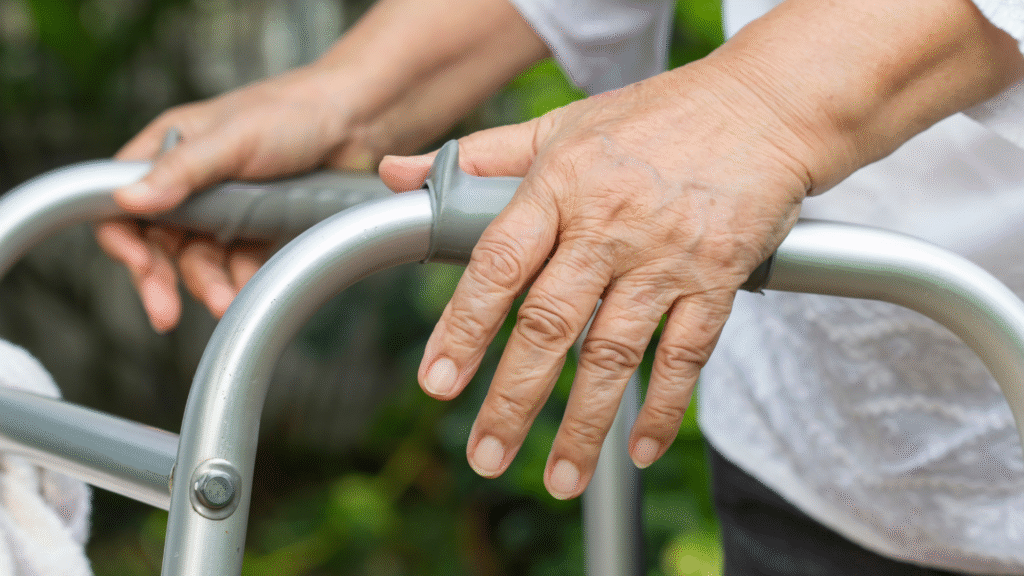
Different people need different kinds of support. For some, a walking stick may be enough to offer extra reassurance on shorter journeys or uneven ground. For others, a rollator or walker may provide a better balance of support, stability, and confidence.
The key is not simply using an aid, but using the right one. Support should make walking feel easier and safer, not more awkward or tiring.
Walking confidence and everyday independence
The more confident people feel walking, the more likely they are to stay involved in everyday routines. That might mean moving around the house more easily, feeling more comfortable outdoors, or being more willing to go out with family and friends.
That independence matters. It affects comfort, wellbeing, and the sense that daily life still feels manageable.
Small changes can help
Confidence when walking is not always about one major solution. Sometimes it comes from smaller changes, such as improving lighting, clearing walkways, using a more suitable walking aid, or making sure footwear and seating are still working well for current needs.
Where mobility has changed gradually, these kinds of practical adjustments can make a meaningful difference.
Finding the right support
At Bush Healthcare, we help customers explore walking aids and mobility products that suit their needs and daily routine. Whether that means a walking stick, a rollator, or a walker, the aim is always to make movement feel safer, easier, and more comfortable.
If walking has started to feel harder or less steady, the right support can make a real difference to confidence and independence.
If you would like advice on the options available, visit one of our stores or get in touch with the Bush Healthcare team.
Related Posts

After a Wobble, Confidence Often Changes Before Mobility Does
After a Wobble, Confidence Often Changes Before Mobility Does Sometimes it isn’t a major fall that changes things. Sometimes it’s
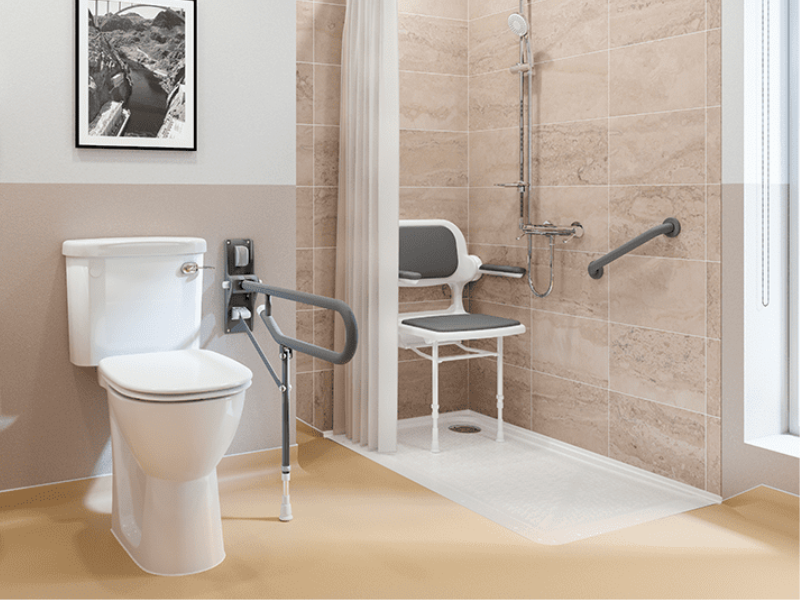
When the Bathroom Starts Asking Too Much of You
When the Bathroom Starts Asking Too Much of You Bladder weakness is one of those things people often put up