5 Small Changes That Can Make Moving Around the Home Easier

Moving around the home can become more difficult for all sorts of reasons. For some people, it is joint pain or reduced balance. For others, it is fatigue, recovering from illness, or simply finding that everyday tasks take more effort than they used to.

The good news is that making the home easier to move around does not always require major adaptations. Often, a few smaller changes can make day-to-day life feel safer, more comfortable, and more manageable.

At Bush Healthcare, we work with customers every day who are looking for practical ways to improve confidence and independence at home. Here are five simple changes that can make a real difference.

1. Improve lighting where it matters most

Poor lighting can make it harder to spot trip hazards, judge distances, and move confidently, especially first thing in the morning or during the night. Hallways, stair areas, bedrooms, and bathrooms are often the most important places to focus on.

Brighter bulbs, bedside lamps, or motion-sensor lights can all help make movement around the home easier and safer.

2. Clear the routes you use every day

Small obstacles can quickly become bigger problems when mobility is reduced. Loose rugs, trailing cables, low furniture, or everyday clutter can all increase the risk of trips and falls.

Clearing the main routes through the home, particularly between the bedroom, bathroom, kitchen, and living room, can make a noticeable difference. Sometimes the simplest changes are the ones that make daily life feel easier straight away.

3. Make sitting and standing easier

Many people notice that it is not walking itself that feels hardest, but getting up from a chair or lowering themselves down comfortably. Supportive seating can make a real difference here.

A chair that is the right height and offers proper support is often much easier to use than one that is too low or too soft. For some people, a riser recliner chair may offer extra help and reduce strain on the knees, hips, and back.

4. Keep everyday items within easy reach

Repeated bending, stretching, or reaching can make daily routines more tiring than they need to be. Keeping the items you use most often within easy reach can reduce effort and help make everyday tasks feel more manageable.

This might mean storing frequently used kitchen items at worktop height, keeping medications and glasses close by, or using simple daily living aids to avoid awkward movements.

5. Use the right support for the way you move

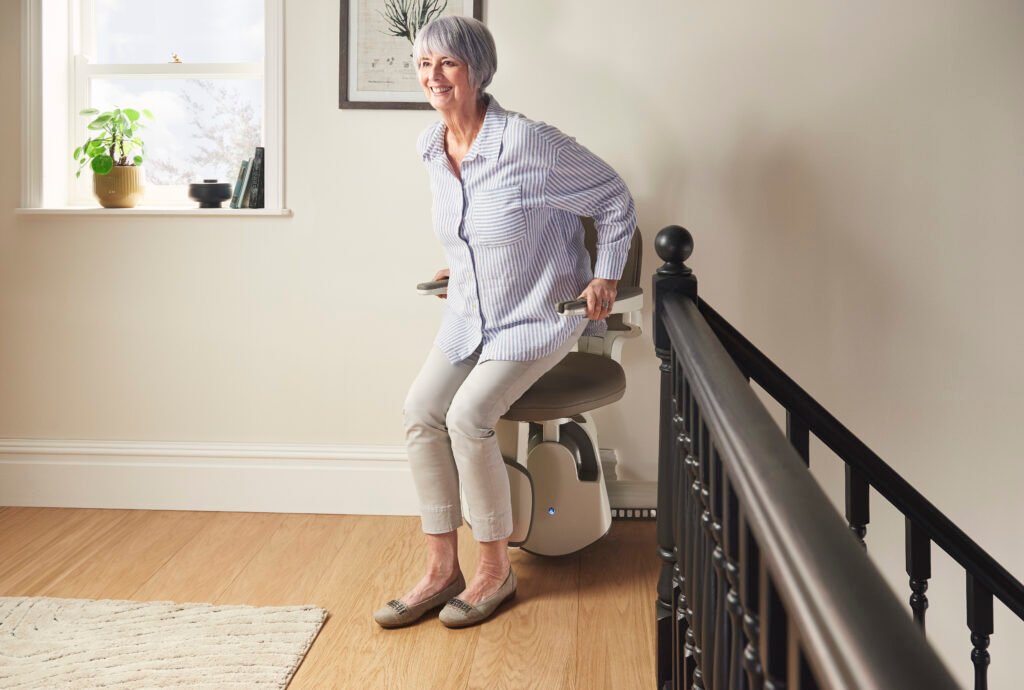
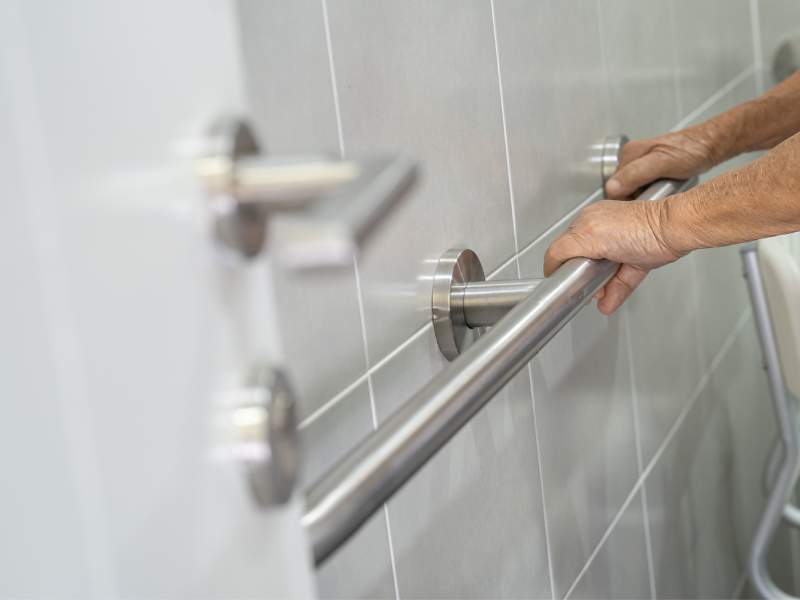
The right mobility support can make moving around the home feel more stable and less tiring. For some people, that may be a walking stick. For others, it may be a rollator or walker, a stairlift, or another practical aid suited to their needs and home environment.

The important thing is not choosing what seems most common, but what feels safest and most useful for the individual. The right support should make everyday movement easier, not more complicated.

Small changes can go a long way

Making the home easier to move around is not always about one major change. Often, it is the smaller practical adjustments that help reduce effort, improve confidence, and support independence day to day.

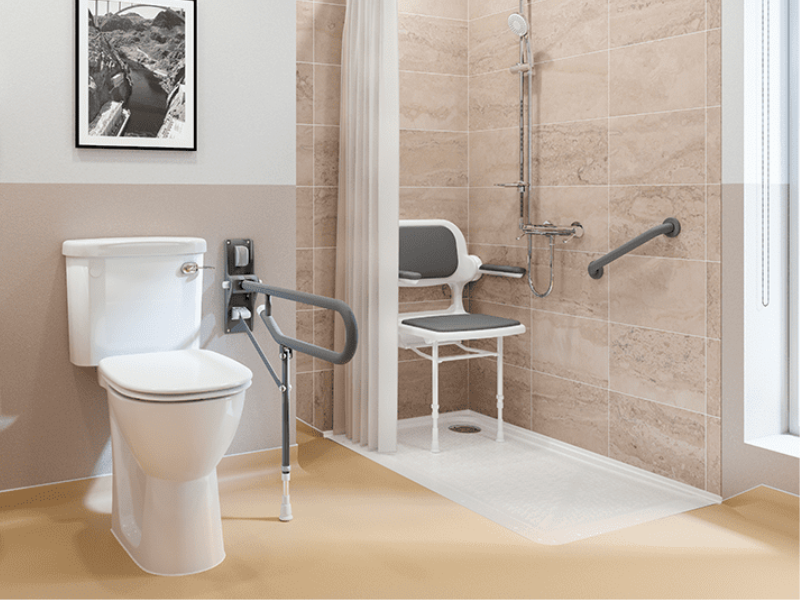
At Bush Healthcare, we help customers across South Wales find practical solutions that suit their needs, home, and routine. Whether that means supportive seating, mobility aids, accessible bathroom adaptations, stairlifts, or daily living products, the goal is always the same: to make everyday life easier and more comfortable.

If you would like advice on products or home mobility solutions, visit one of our stores or explore more guides on the Bush Healthcare blog.

Share the Post:

Related Posts