
Sleep has a big effect on how we feel during the day. It affects energy, mood, concentration, and how well the body recovers. For many older adults, however, sleep can become lighter, more interrupted, or simply less comfortable than it used to be.
That can have a real impact on day-to-day life. Poor sleep can leave people feeling more tired, less steady on their feet, and less confident with everyday routines. It can also make it harder to manage discomfort, maintain concentration, and feel at your best during the day.
At Bush Healthcare, we often speak to customers who are looking for practical ways to feel more comfortable and better supported at home. Sleep is one of those areas where small changes can make a noticeable difference.
Why sleep can become more difficult
There are many reasons sleep may change with age. Pain, stiffness, reduced mobility, needing the toilet during the night, poor positioning in bed, or difficulty getting comfortable can all make sleep more broken or less restful.
It is not always about the number of hours slept. Sometimes the bigger issue is that sleep feels less restorative. If it becomes harder to settle, stay comfortable, or get back to sleep after waking, that can affect the whole following day.
How poor sleep affects the day
When sleep is poor, everyday tasks can feel more tiring. Energy levels may feel lower, concentration may be reduced, and balance or confidence can suffer.
For people already managing reduced mobility, joint pain, or fatigue, poor sleep can add another layer of difficulty. It can make mornings feel slower, movement feel more effortful, and daily routines harder to manage.
Comfort and support matter
One of the simplest ways to improve sleep is to make sure the body is properly supported. A bed or mattress that no longer feels comfortable can make it harder to settle and stay comfortable through the night.
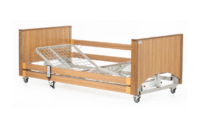
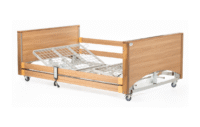
For some people, an adjustable bed can help by making it easier to find a better resting position. For others, supportive seating during the day may also help reduce discomfort and fatigue. A well-chosen riser recliner chair can make a real difference where long periods of sitting are part of daily life.
The aim is not perfection. It is to make rest easier, more comfortable, and more consistent.
Small changes can help
A few practical adjustments may help improve comfort at night:
- keeping the bedroom clear and easy to move around in
- using good bedside lighting for safer night-time movement
- keeping essentials within easy reach
- avoiding discomfort caused by poor support or awkward positioning
- making sure the bed setup still suits current needs
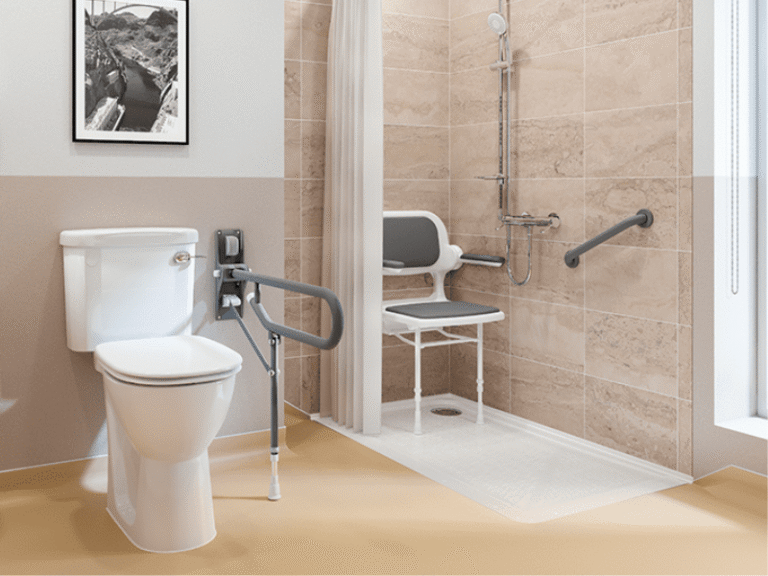
Simple daily living aids and a safer bathroom setup can also help make night-time routines easier to manage.
Supporting better rest at home
Sleep problems can have many different causes, and persistent sleep difficulties should always be discussed with the right healthcare professional. But where comfort, positioning, or mobility are part of the issue, practical support at home can help.
At Bush Healthcare, we help customers find solutions that improve comfort, safety, and day-to-day independence. Sometimes that means supportive seating, a better bed setup, or simple home changes that make everyday routines easier.
Better rest does not solve everything, but it can make a real difference to how the day feels.
If you are looking at ways to make home life more comfortable and manageable, visit one of our stores or get in touch with the Bush Healthcare team.