
After a Wobble, Confidence Often Changes Before Mobility Does
Sometimes it isn’t a major fall that changes things. Sometimes it’s a wobble. A missed step. A moment on the stairs. A patch of uneven ground that suddenly feels less forgiving than it used to.
You recover. You carry on. But something has shifted.
Often, it’s not mobility that changes first. It’s confidence.
At Bush Healthcare, we see this often. Someone is still walking, still managing, still doing most of what they need to do. But they’re moving differently. More cautiously. More slowly. They’re thinking harder about the stairs. They’re less relaxed carrying things. They start avoiding certain routes, certain rooms, or certain situations.
NHS guidance is very clear that a fall can reduce confidence and independence, and other NHS and Age UK advice notes that fear of falling can stop people doing their usual activities, which can then feed into lower activity levels and reduced mobility over time.
The body remembers a bad moment
That’s part of what makes this so common. Even if there has been no serious injury, the memory of feeling suddenly unsteady tends to linger.
You hesitate a little more. You look for something to hold. You take the long way round. You plan around the effort instead of just getting on with the day.
That doesn’t mean anything out of the ordinary has happened. But it often means the day is starting to feel narrower than before.
Confidence affects the way people move
Once confidence drops, movement usually changes with it.
Steps get shorter. Turning becomes more deliberate. The stairs start asking for more concentration. Walking outdoors feels less casual. People often begin doing less without really deciding to.
That’s where the knock-on effect starts. Fear of falling can lead to reduced activity, and reduced activity can affect strength, balance, and independence.
This is often the point where the right support helps
Not because everything has suddenly become severe. Quite the opposite.
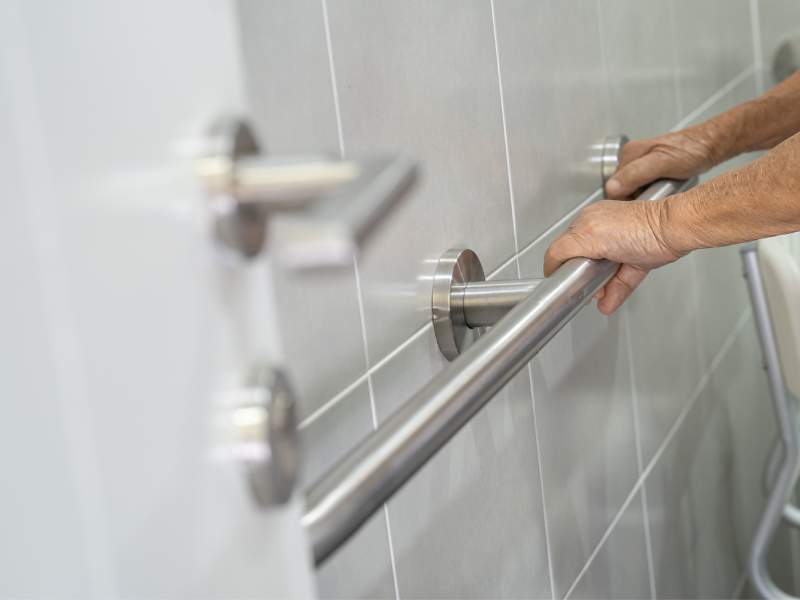
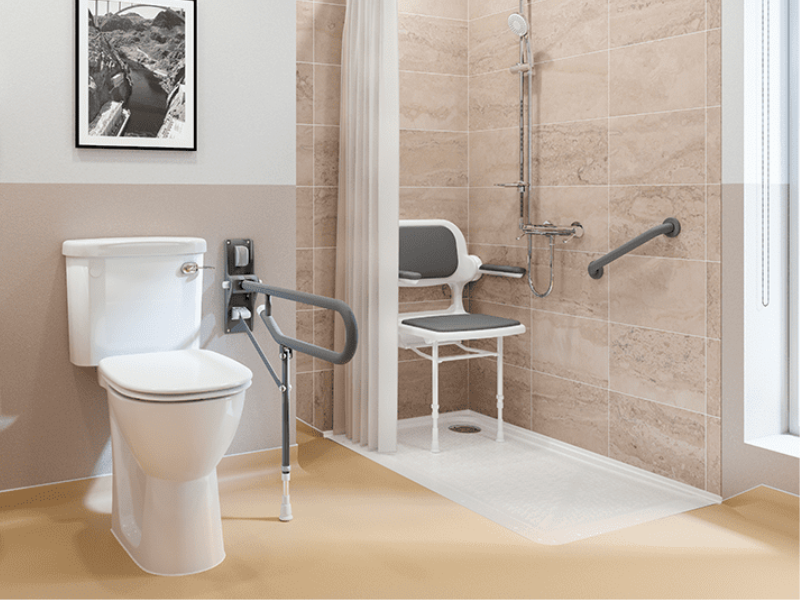
This is often the stage where a small amount of practical support can make a meaningful difference. A walking stick that feels more reassuring. A rollator that makes outdoor movement feel steadier. A chair that is easier to get in and out of. Better lighting. Fewer trip points around the home.
The aim isn’t to medicalise the situation. It’s to stop one bad moment from quietly reshaping daily life.
The house can start feeling different too
After a wobble or near-fall, people often become more aware of the places where they feel less secure.
The stairs. The bathroom. The path to the front door. Getting up in the night. Carrying washing. Reaching down for something dropped on the floor.
That’s usually where practical changes help most. Not grand solutions for the sake of it. Just the right support in the right place.
Doing less isn’t always the answer
It’s easy to assume that being more careful means moving less. But Age UK’s falls-prevention advice is clear that staying active helps maintain strength, balance, and coordination, which supports mobility and independence.
So the goal is not to retreat from movement. It’s to make movement feel safer and more manageable again.
When confidence changes, it’s worth responding early
You don’t need to wait for a serious fall before making life easier.
If you’re noticing more hesitation, more caution, or more effort going into things that used to feel straightforward, that’s often reason enough to make a few changes. Sometimes the right support is what stops a wobble becoming a turning point.
At Bush Healthcare, we help people find practical ways to feel safer, steadier, and more comfortable at home and out and about. If confidence has changed, even slightly, it’s worth looking at what might help.
Related Posts

When the Bathroom Starts Asking Too Much of You
When the Bathroom Starts Asking Too Much of You Bladder weakness is one of those things people often put up

Why Sleep Matters More Than People Think as We Get Older
Why Sleep Matters More Than People Think as We Get Older Sleep has a big effect on how we feel