When the House Is Quiet, Small Difficulties Feel Bigger

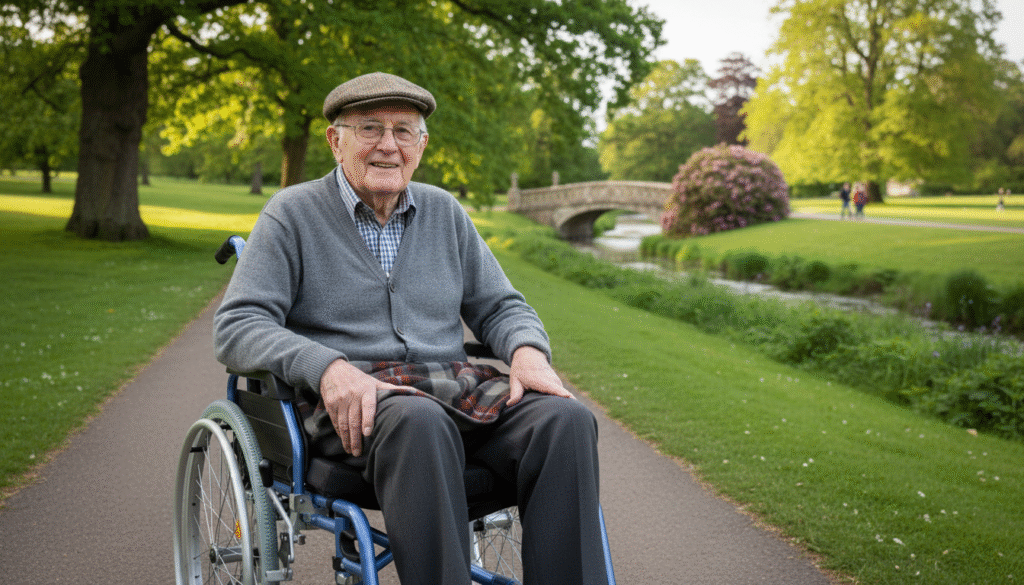
Most people do not need help with everything. Usually, there are specific moments that have started to feel more difficult than they should.

It might be standing up from a low chair.
Getting in and out of the bath.
Carrying items while trying to stay steady.
Feeling less confident on the stairs.
Or simply moving around the house when energy is low.

Those are usually the places worth looking at first, because they are often where practical support makes the biggest difference.

The right chair can change more than people expect

When getting up becomes harder, many people adjust around it without really noticing. They stop using certain chairs. They avoid sitting down for too long. They brace themselves against nearby furniture.

That all adds effort.

A more supportive chair, or a riser recliner, can make everyday movement feel much easier. Less strain on the knees and hips, less hesitation, and more confidence when sitting down or standing up.

That matters more than people sometimes expect, especially when no one else is around to help.

The stairs are often where confidence narrows

For many people living alone, the stairs are not impossible. They are just starting to feel less comfortable.

That change is important. Once someone begins avoiding the stairs, or using them more cautiously than before, the whole shape of the day can shift around that problem. Rooms get used differently. Routines change. Energy gets spent anticipating something that used to be normal.

In those situations, a stairlift can make the home feel usable again, rather than simply manageable.

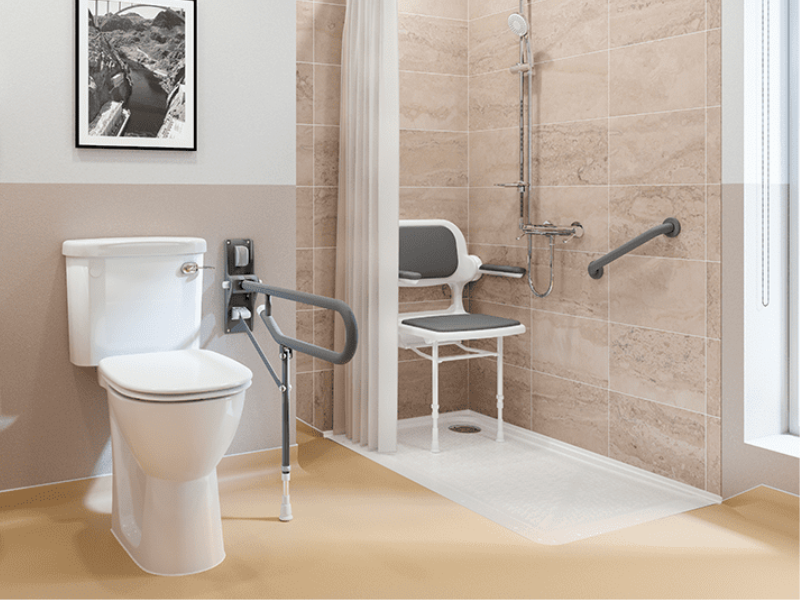
A lot of people quietly put up with bathrooms that no longer feel quite right. They know they have to be careful. They know they do not move as confidently in there as they used to. But they carry on.

That is usually a sign that the room needs to be easier to use.

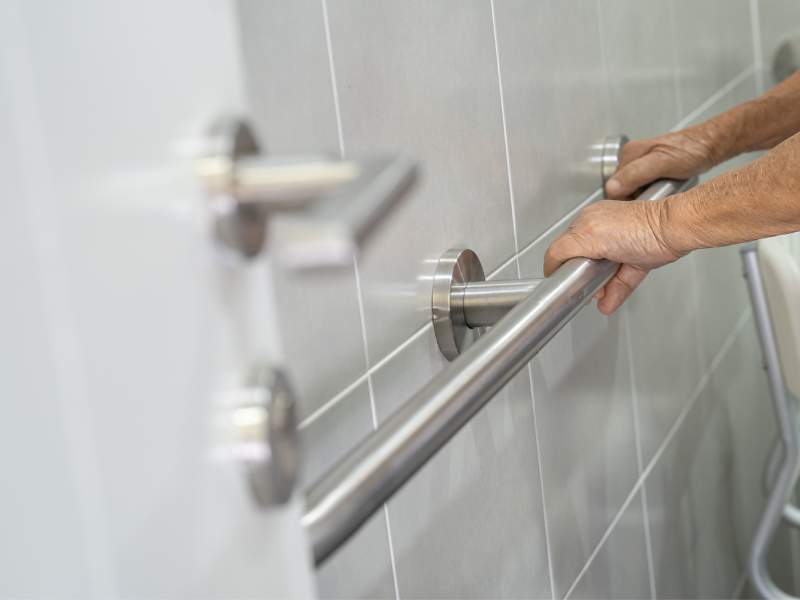
Grab rails, better access, a walk-in shower, or simply a layout that reduces awkward movement can all help. The aim is not to make the bathroom look clinical. It is to make it feel safer and less physically demanding.

Living alone works best when the home supports routine

That is really what this comes down to. Not dependency. Not worst-case scenarios. Just routine.

Can you move around without feeling constantly cautious?
Can you sit, stand, wash, and make a drink without everything taking more effort than it should?
Does the house still feel like a place you can use comfortably?

If the answer is starting to become “not quite”, that is usually the moment to make a change.

At Bush Healthcare, we help people across South Wales find practical solutions that make living at home feel easier. Sometimes that means a bigger adaptation. Often, it is a few well-chosen changes that help the house feel manageable again.

If daily life at home is starting to feel more effortful than it used to, we can help you look at the options available.

Small daily living aids earn their keep quickly

Not every useful change is a large one.

Sometimes it is the everyday aids that make the day flow better: a kettle that is easier to pour, a reacher that saves repeated bending, a trolley that reduces carrying, or a walking aid that makes moving around the house feel steadier.

These are easy products to underestimate because they look simple. But when something is used every day, even a small improvement can have a real effect on comfort and confidence.

Share the Post:

Related Posts