
Our new Bedwas store is now open. Visit Bedwas Dismiss
Skip to content
Established 1980
DRIVING SUPPORT
A change in mobility does not necessarily mean giving up driving.
Vehicle adaptations can provide different ways to operate the accelerator, brake, steering wheel and other controls where the standard setup is no longer comfortable or practical.
The right solution depends on your movement, strength, driving position and vehicle.
ADAPTING THE CONTROLS
Driving relies on several movements happening together. You need to control acceleration and braking, steer the vehicle and operate secondary functions such as indicators, lights and wipers. When mobility changes, one or more of those actions may become difficult. Driving adaptations can relocate, modify or provide alternative ways to operate those controls. The most suitable setup will depend on:

Your movement and strength
Which movements you can perform comfortably and consistently.

Your driving position
The controls need to remain accessible without compromising your position behind the wheel.

The vehicle
Different systems are compatible with different vehicles.

Other adaptations
Hand controls, steering aids and secondary controls may need to work together as one driving setup.
PRODUCTS AVAILABLE
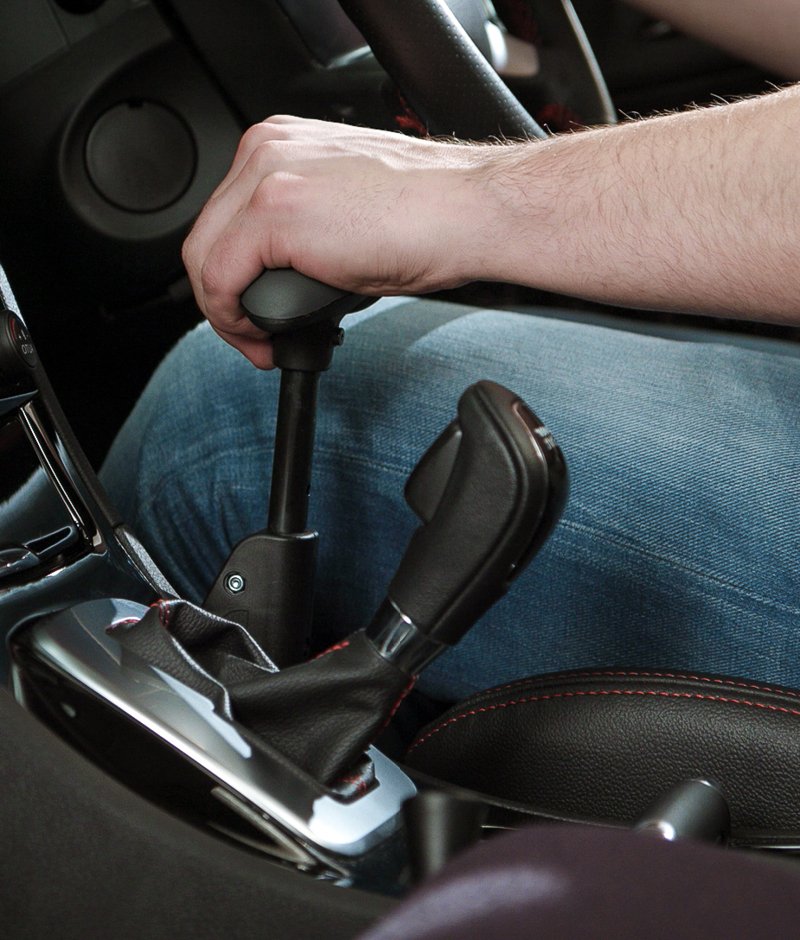
Hand Controls
Hand controls transfer operation of the accelerator and brake from the conventional foot pedals to hand-operated controls.
Explore →
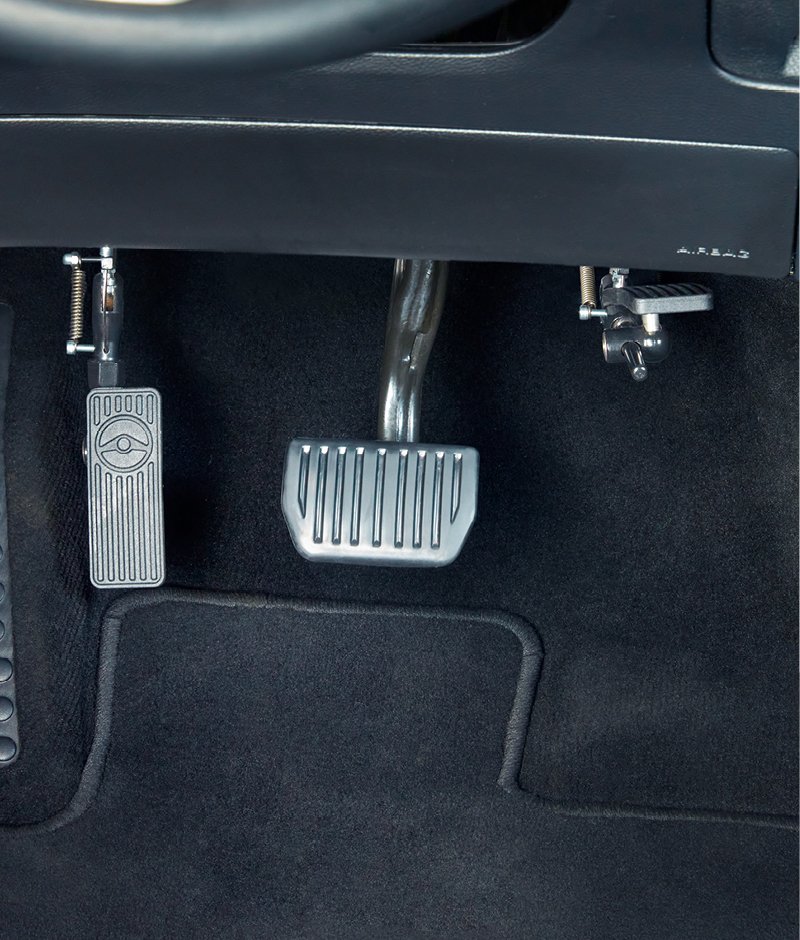
Pedal Modifications
Pedal modifications can help drivers who find the standard pedal arrangement difficult to use.
Explore →
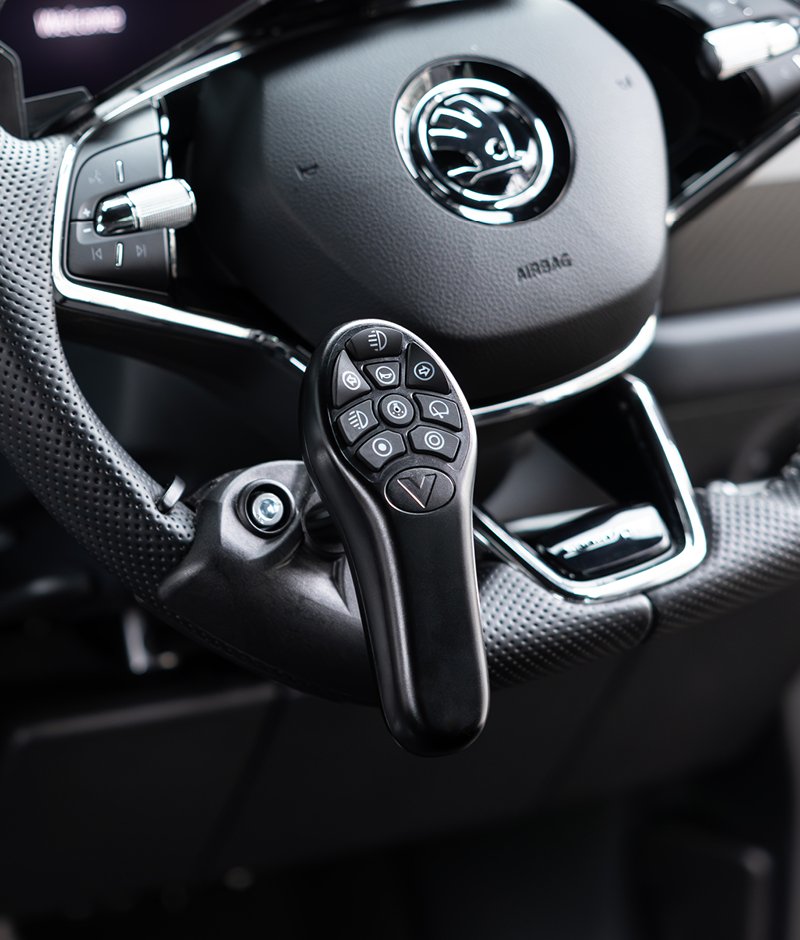
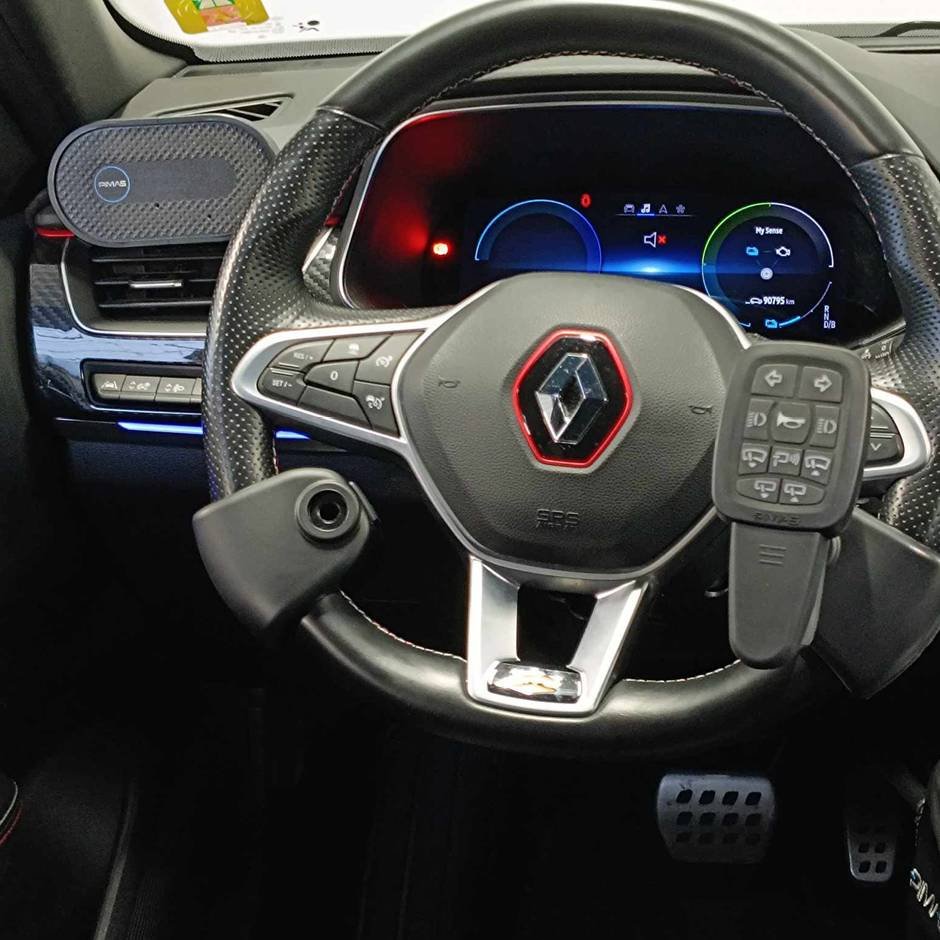
Remote Control Devices
Remote control devices can bring several secondary vehicle functions together and within easier reach.
Explore →
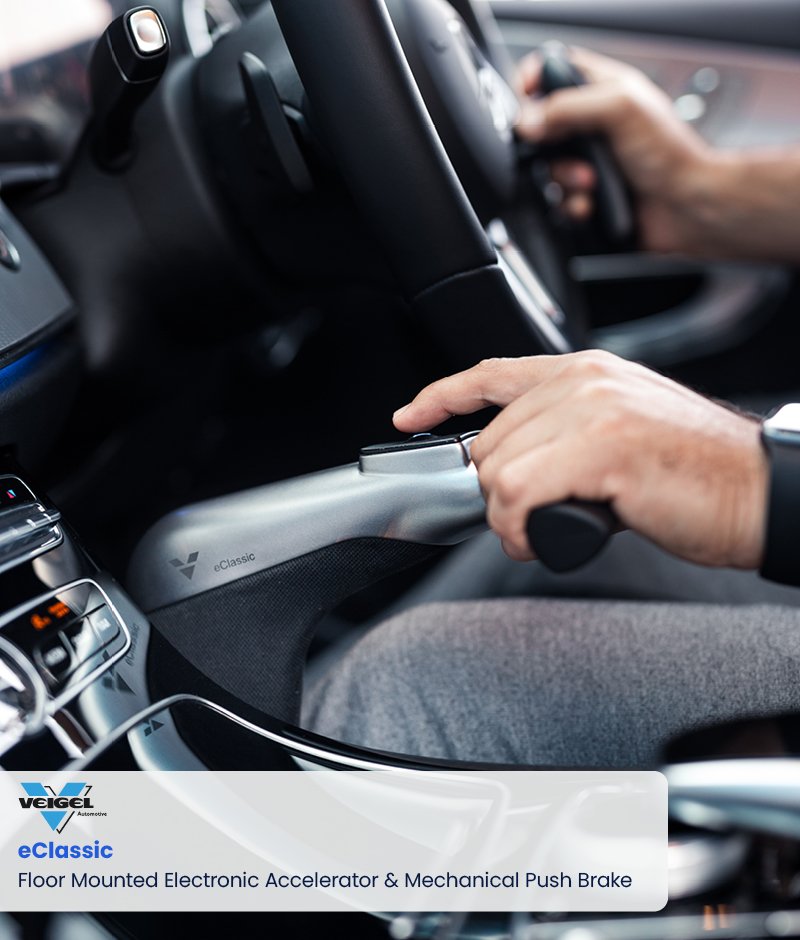
Steering Aids
Steering aids can support drivers who have difficulty maintaining a conventional grip on the steering wheel or who need to steer safely using one hand.
Explore →
Voice Control
Voice control systems provide another way to operate selected vehicle functions.
Explore →
A COMPLETE DRIVING SETUP
A driving adaptation is rarely considered in isolation.
For example, someone using hand controls for acceleration and braking may also need a steering aid so the vehicle can be controlled securely with one hand.
A remote control device can then bring functions such as indicators or lights within easier reach.
The aim is to create a setup where the controls work together around the driver’s abilities and driving position.
That is why the assessment looks at the complete driving task, rather than simply selecting one adaptation.
You do not need to identify the equipment yourself.
Tell us which vehicle you drive and which controls you are finding difficult to use. We can help you understand the available options.
START WITH THE DIFFICULTY
I struggle to use the accelerator or brake pedals
Hand controls can provide an alternative way to accelerate and brake without relying on the conventional foot pedals.
Pedal modifications may also be suitable where some pedal operation remains possible but the standard arrangement is difficult to use.
I need to steer using one hand
A steering aid can provide a more secure grip and make one-handed steering easier.
This is often considered alongside hand controls.
I cannot easily reach indicators, lights or wipers
A remote control device can bring several secondary functions together and place them within easier reach.
Reaching conventional switches is difficult
Voice control may provide another way to operate selected compatible functions without physically reaching for them.
FROM ASSESSMENT TO FITTING
1
Tell us what you find difficult
Start with the controls or movements you are finding harder to use. You do not need to know the name of the adaptation you require.
2
Your driving needs are assessed
The appropriate solution depends on your movement, strength, range of motion, driving position and vehicle. Any recommendations from a specialist driving assessment can also be considered.
3
We identify suitable adaptations
The team can explain which systems may be appropriate and how different adaptations could work together.
4
Your vehicle is adapted
Once the appropriate setup has been agreed, the adaptations can be professionally installed in the vehicle.
MORE THAN THE CONTROLS
Being able to operate the vehicle is only one part of independent driving.
If transferring into the driver’s seat is also difficult, swivel seats, transfer plates and other vehicle-access adaptations may be considered alongside driving controls.
CHANGING YOUR VEHICLE?
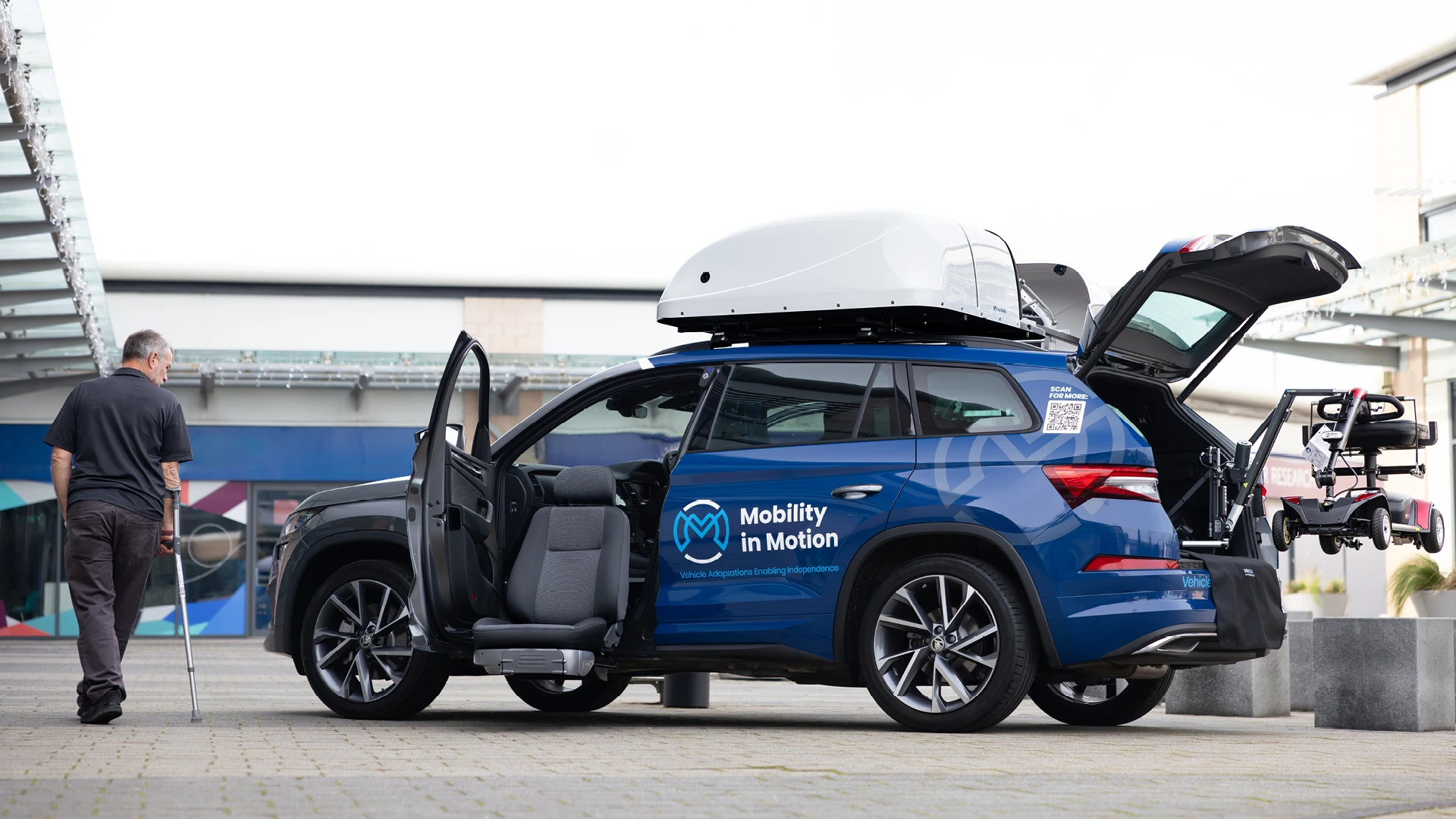
If you are also planning to change your car, Adapt & Drive allows the vehicle and specialist adaptations to be considered together.
This can help ensure that the vehicle works with your driving position, transfer requirements and any mobility equipment you need to carry.
FREE ASSESSMENT
You do not need to know which adaptation you need.
Tell us about your vehicle, the controls you currently use and what has become difficult.
The Mobility in Motion team can help you explore the available options.
There is no charge and no obligation. A member of the Mobility in Motion team will contact you to discuss your requirements.
COMMON QUESTIONS
Hand controls allow the accelerator and brake to be operated by hand rather than through the conventional foot pedals.
Different designs are available depending on the driver’s requirements.
They can be fitted to many automatic vehicles, but compatibility depends on the vehicle and the particular system.
An assessment is needed before suitability can be confirmed.
Yes, where appropriate.
A steering aid can allow one-handed steering while the other hand operates the accelerator and brake controls.
Depending on the system and vehicle, remote controls may operate functions such as indicators, lights, wipers, the horn and other secondary controls.
Pedal modifications can be considered where the standard pedal arrangement or reach is difficult to use.
The appropriate solution depends on the driver’s mobility and which movements can be performed comfortably and consistently.
A steering aid provides an alternative grip on the steering wheel.
Different designs can support different levels of hand movement and grip.
A compatible voice control system allows selected vehicle functions to be operated using spoken commands.
The functions available depend on the system and vehicle.
Recommendations from a specialist driving assessment can form part of selecting the appropriate adaptation.
The exact assessment required will depend on the individual circumstances.
Whether you need an alternative way to accelerate and brake, additional steering support or easier access to secondary controls, the right adaptations can build a driving setup around your mobility.
Book a free assessment and talk through the options with the Mobility in Motion team.